

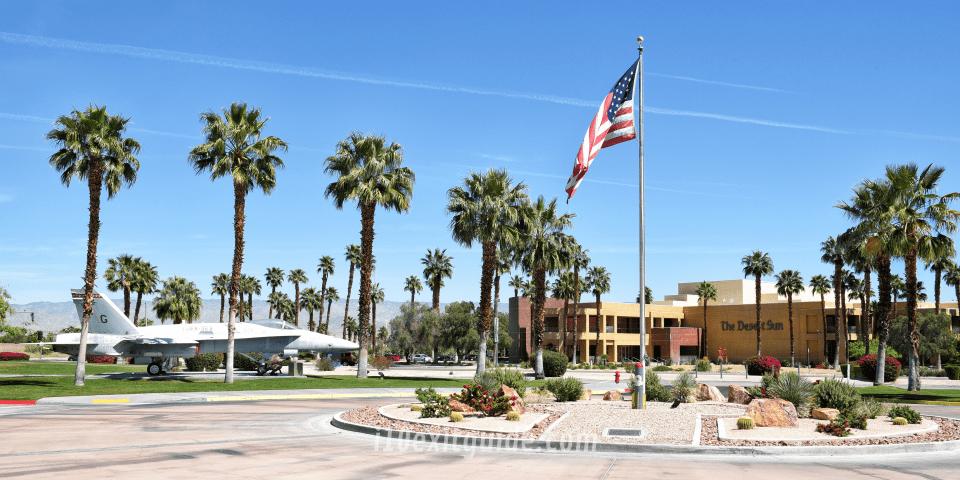
The Palm Springs Air Museum, located in Palm Springs, California, is one of the most complete and immersive aviation museums in the American Southwest. It’s dedicated to preserving and showcasing military aviation history with a strong emphasis on World War II, Korea, and Vietnam.
If you’re traveling along I-10, a stop at this museum is an outstanding way to spend a few hours – it combines hands-on artifacts, flyable vintage aircraft, veteran stories, restoration shops you can watch in action, and spectacular desert light that makes the planes even more photogenic.
Whether you’re a history buff, a photographer, a family with kids, or a curious traveler looking for a memorable break from the interstate, the Palm Springs Air Museum delivers on atmosphere, education, and authenticity.
Palm Springs Air Museum at a Glance
It’s Conveniently Located: The museum sits minutes from the main I-10 corridor and Palm Springs International Airport, making it an easy detour without a major deviation from your route.
High Impact in a Short Visit: You can experience a large, well-curated collection in just two to three hours, which is ideal for highway travelers who want a memorable stop without a long delay.
Unique Desert Setting: The clear skies and palm-tree backdrop of the Coachella Valley create excellent conditions for photography and for appreciating the craftsmanship of these aircraft outdoors.
Active, Living History: Many museums display static frames behind ropes; Palm Springs Air Museum features a high percentage of flyable warbirds and active restoration projects. You’ll see aircraft in real operational condition and hear first-person stories from veterans and volunteers.
All-Ages Appeal: Exhibits mix powerful personal histories with tactile displays and cockpit access on some aircraft, keeping both adults and children engaged.
What You’ll See – Collection and Highlights
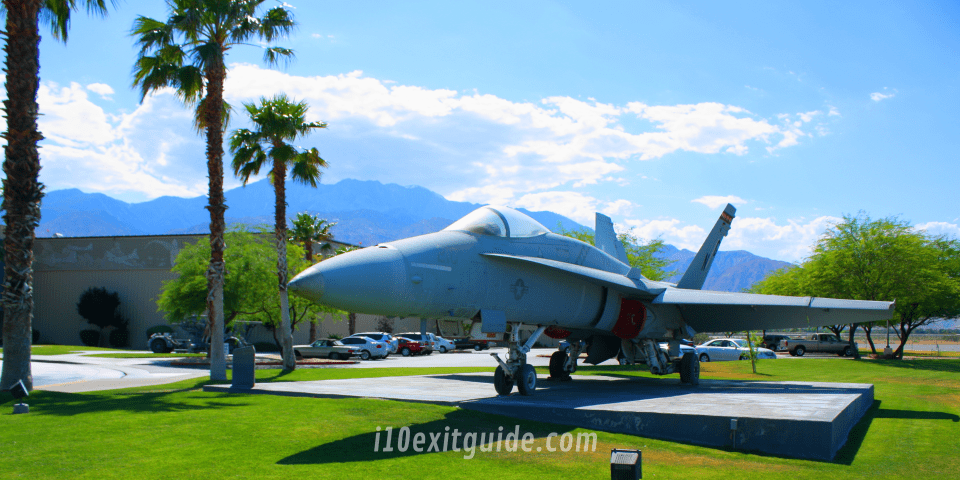
The Palm Springs Air Museum houses a broad spectrum of military aircraft and artifacts spanning WWII to the jet age. Rather than being a purely static collection, a hallmark of Palm Springs Air Museum is its emphasis on operational aircraft and restoration. When you visit you can expect:
Dozens of Aircraft: The collection frequently includes fighters, bombers, transport planes, trainers, and jets from major 20th-century conflicts. Examples you’re likely to see include iconic types such as the P-51 Mustang, B-25 Mitchell, C-47/Dakota transport, and other recognizable WWII and Cold War-era aircraft (specific aircraft on display rotate as the museum restores or flies planes).
Cockpit Access and Close-up Viewing: Several aircraft have cockpits you can climb into or peer into under supervision, which makes the experience highly tactile and memorable.
Engines, Weapons, and Artifacts: Beyond airframes, the museum displays engines, avionics, uniforms, personal items, and large exhibit panels that put the machines into historical context.
Oral Histories and Personal Memorabilia: The Palm Springs Air Museum places strong emphasis on veterans’ stories – letters, photos, and recorded interviews help connect the technology to the human experience.
Exhibits, Programs, and Immersive Experiences
Themed Galleries: Exhibits at the Palm Springs Air Museum are organized to tell the stories of specific conflicts and theaters, often highlighting crew experiences, logistics, and the technological evolution of aircraft.
Restoration Shop and Hangars: You can often observe volunteer mechanics and restorers working on aircraft in the hangars. These spaces explain the process of bringing vintage aircraft back to flying condition and are fascinating to watch.
Living History Events: The museum hosts events where veterans speak, reenactors perform, and crewmembers give guided tours, creating a living-history atmosphere that’s both educational and moving.
Flight Experiences and Demonstrations: The museum occasionally offers flight experiences or partners with organizations that provide rides in certain aircraft. These are typically available by reservation, for a fee, and are subject to safety regulations and aircraft availability. The Palm Springs Air Museum also organizes flight demonstrations and fly-ins on certain weekends.
Educational Programming: School groups, scout troops, and adult learners can access tours and curriculum-focused programs that emphasize STEM, aviation history, and personal stories from veterans.
Emotional and Historical Impact
The Palm Springs Air Museum does more than display hardware – it interprets the social, political, and human stories behind the planes. Exhibits often highlight:
The scale of Industrial Effort: Showing how production, logistics, and training supported combat operations.
Personal Narratives: Pilots, crew, and ground personnel are featured through memoirs, photographs, and recorded interviews. These personal touches often make the visit emotionally resonant, particularly for visitors with family ties to military service.
Connections to Local Communities: The museum emphasizes the role of volunteers and veterans, and visitors frequently encounter people who flew or maintained these aircraft, adding immediacy to the history.
What to Expect from the Staff and Volunteers
Volunteers and staff at the Palm Springs Air Museum are typically enthusiastic and well-informed. Many volunteers are former military personnel, pilots, or mechanics who bring firsthand knowledge. Don’t hesitate to ask questions: you’ll often find people who can point out little-known details about aircraft, share anecdotes about restorations, or connect pieces of the collection to broader historical themes.
Why it’s a Standout Attraction
Authenticity: A high percentage of the collection is airworthy, and the museum emphasizes original, restored aircraft rather than replicas.
Immersive Storytelling: The combination of artifacts, oral histories, and living-history programming makes the past feel present.
Community of Volunteers: Restoration and maintenance are done largely by dedicated volunteers; their pride and knowledge are directly available to visitors in conversations and tours.
Great Value for Time: As a stop for highway travelers, the museum offers a powerful, concentrated historical experience without needing an entire day.
Photogenic and Accessible: The combination of historic aircraft and Palm Springs’ desert light creates memorable images and a pleasant outdoor museum environment.
Planning Your Visit
Allocate 2-3 hours for a thorough visit; you can do a quicker 60-90 minute walk-through if you’re short on time. If you want to watch restoration work, attend a talk, or take a flight experience, add more time.
Tickets and timing: Admission policies and hours can change seasonally or for special events. Buy tickets online in advance if possible for guaranteed entry and to avoid lines on busy days. Also check the museum calendar for veteran talks, flight demos, or special events.
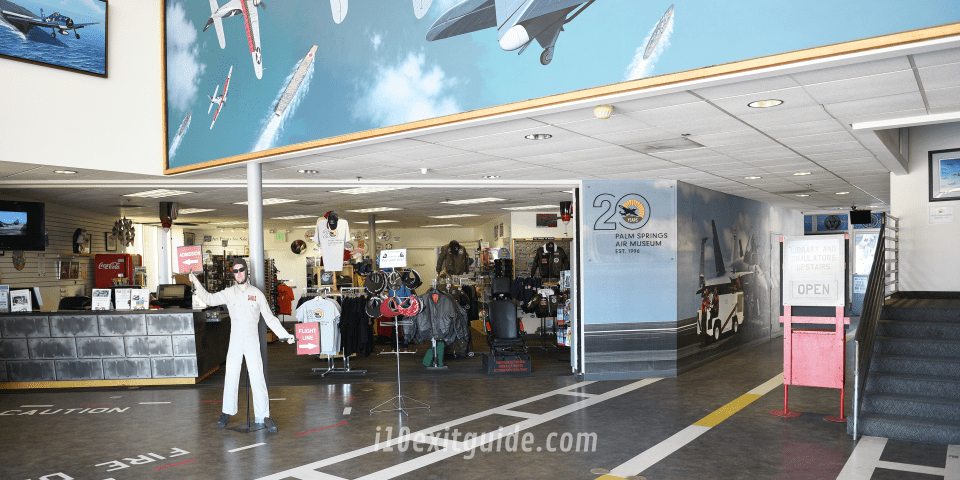
Accessibility and amenities: The Palm Springs Air Museum generally provides accessible paths, restrooms, and a gift shop. There are usually snack options or vending, but don’t count on a full-service restaurant. Bring water, especially in warmer months.
Photography: The open-air setting and low desert light are ideal for photos. Respect any signage regarding photography in certain exhibits or of veterans’ personal items.
Address:
Palm Springs Air Museum
745 North Gene Autry Trail
Palm Springs, California 92262
Telephone: 760-778-6262
Website: https://palmspringsairmuseum.org/
Admission:
Adults (18-64): $25.00
Seniors (65+): $23.00
Veteran/Retired Military: $23.00
Teenagers (13-17): $23.00
Children (12 and Under): FREE
Active Duty & immediate family: FREE
Hours of Operation:
Monday: 10:00 am – 5:00 pm
Tuesday: 10:00 am – 5:00 pm
Wednesday: 10:00 am – 5:00 pm
Thursday: 10:00 am – 5:00 pm
Friday: 10:00 am – 5:00 pm
Saturday: 10:00 am – 5:00 pm
Sunday: 10:00 am – 5:00 pm
Closed Thanksgiving and Christmas
Directions:
From I-10 West: Take I-10 east to exit 123 (Gene Autry Trail), then Gene Autry Trail south 3.2 miles to Palm Springs Air Museum entrance on your right.
From I-10 East: Take I-10 west to exit 130 (Bob Hope Drive), then south on Bob Hope Drive to Ramone Road, then right onto Ramon Road to Gene Autry Trail, then right onto Gene Autry Trail to Palm Springs Air Museum entrance on your left.
Safety Considerations
Climate: Palm Springs can be hot, especially late spring through early fall. Dress in layers, bring sun protection, and carry water. Early morning or late afternoon visits are more comfortable in hot months and provide better natural lighting for photography.
Shoes and mobility: There can be uneven surfaces on the ramp and in hangars. Wear comfortable, sturdy shoes. If you need assistance, call ahead to check on wheelchair access and available support.
Suggested Itinerary for I-10 Travelers
Quick stop (60-90 minutes): Park, pick up a map, and take a focused walk through the main outdoor display area to see headline aircraft. Spend 10-15 minutes in the primary gallery for context and visit the gift shop for a quick souvenir.
Standard visit (2-3 hours): Start in the main galleries to get historical context, then move to the outdoor ramp to walk among aircraft and peer into cockpits. Join a short docent talk or hangar tour if available, then watch restoration work in the shop. Finish in the gift shop and, weather permitting, relax in a nearby shaded area for photos.
Extended visit (half day or more): Add a guided tour, attend a scheduled veteran talk, and book a flight experience if available. Check for scheduled fly-ins or airshows that coincide with your travel dates.
Insider Tips…
Time your visit for a talk or restoration tour. Check Palm Springs Air Museum’s calendar ahead of your trip and aim to arrive when a veteran talk, docent tour, or hangar restoration demonstration is scheduled – those short sessions add historical depth and often include anecdotes and artifacts not on the regular display panels.
Bring sun protection and comfortable shoes. Much of the collection is outdoors on a ramp; Palm Springs sun can be intense and surfaces around hangars and ramps can be uneven. A hat, sunscreen, water, and sturdy walking shoes will make the visit far more comfortable and let you stay longer to explore.
Consider booking special experiences in advance. If you want a flight experience, cockpit access, or to attend a special event, reserve online or by phone before you travel – these opportunities are limited, fill quickly, and can require additional paperwork or weight-and-balance restrictions for rides.
In a Nutshell…
Stopping at the Palm Springs Air Museum is more than a roadside diversion; it’s an evocative, educational encounter with living history. It’s perfectly suited for a mid-route cultural break: you’ll leave with a clearer understanding of aviation history, memorable photos, and often a renewed appreciation for the people behind the planes. The mix of flyable aircraft, personal stories, and active restoration makes it both an emotionally resonant and visually impressive stop that works well for all kinds of travelers.
Enjoy your stop -Palm Springs Air Museum is one of those roadside attractions that feeds curiosity, honors history, and leaves a lasting impression. Safe travels along I-10.
The I-10 Exit Guide is the Internet’s largest and most complete website dedicated to Interstate 10 travelers. Find detailed exit service listings… lodging, camping, food, gas and more for every exit from California to Florida!
On the road? Why not take us with you. The I-10 Exit Guide is mobile-friendly and totally FREE. No App Required.
Traveling another route? Visit our growing family of exit guides: I-4 Exit Guide, I-5 Exit Guide, I-10 Exit Guide, I-75 Exit Guide, I-80 Exit Guide and I-95 Exit Guide. Detailed exit service listings… discount lodging, camping, food, gas and more for every exit along the way!